
How to Build a Healthy Lifestyle Without Completely Changing Your Routine?
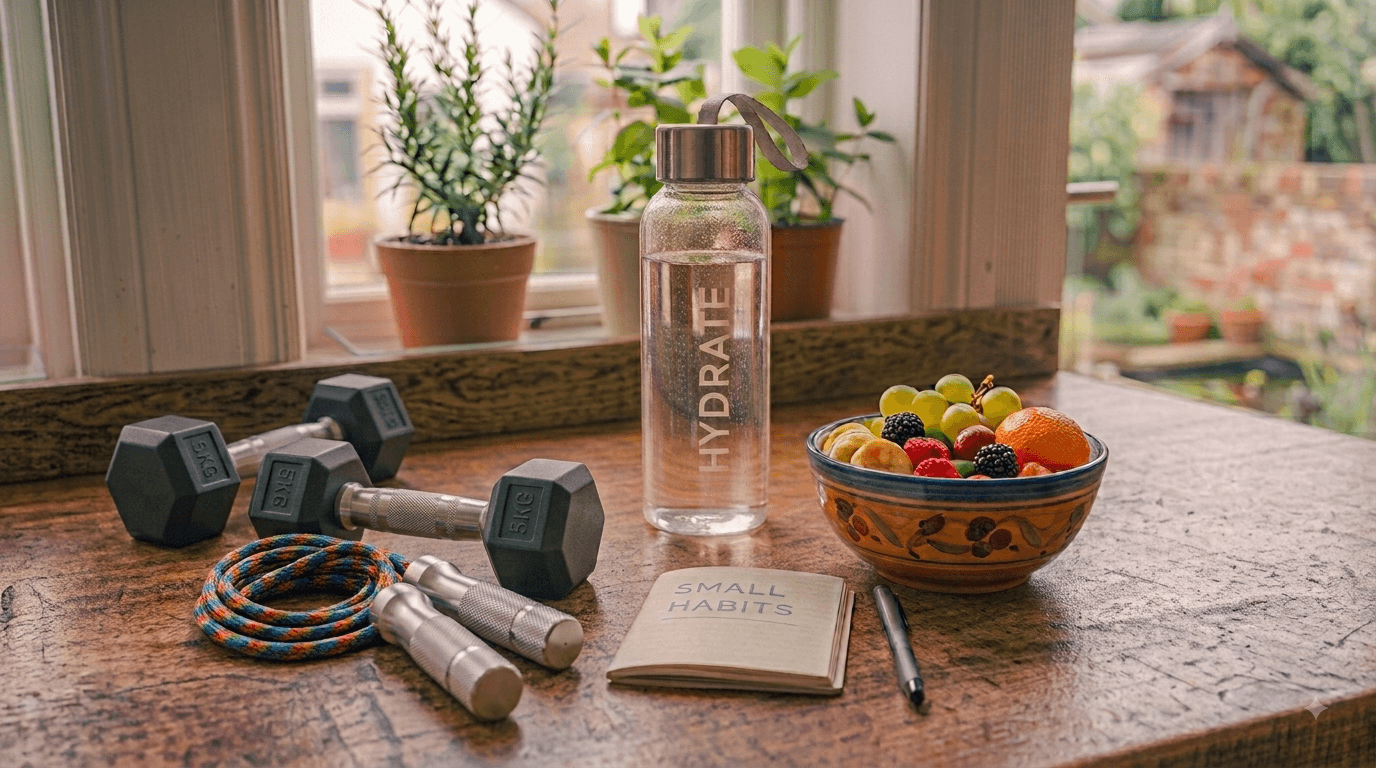
How to Build a Healthy Lifestyle Without Completely Changing Your Routine?
Personally I don't think building a healthy lifestyle means abandoning your choco lava cake, waking up at 5 a.m., while you can barely open your eyes, or completely changing your schedule down to the last minute. Lasting change comes from making small adjustments that fit naturally into the life you already have.
Instead of trying to change everything at once, focus on simple changes, maybe eating at a scheduled time every day, ensuring you’re walking around and moving, getting your sleep, hydration, and stress management. These small choices can become sustainable habits, including a fitness routine that grows with you rather than against your existing week, whether that eventually means a proper gym membership, a casual workout routine, or just consistent daily movement you never bothered giving a name to.
What Does a Healthy Lifestyle Really Mean?
A healthy lifestyle is a pattern of daily choices that supports your physical, mental, and emotional wellbeing. For someone it usually includes balanced nutrition, regular movement, adequate sleep, hydration, stress management, social connection, and habits that reduce health risks.
Healthy living does not look the same for everyone. A student, office worker, parent, athlete, or older adult may have different routines, responsibilities, and health needs. The goal is not to follow a perfect plan but to create habits that are realistic for your circumstances.
A healthy lifestyle should also leave room for enjoyment. The occasional DBC from corner house or maybe a party on a weekend
Start Small: Why You Don't Need to Change Everything at Once?
Trying to change your entire lifestyle overnight can create unnecessary pressure. When too many habits are introduced at once, it can become difficult to identify what is working and easy to feel discouraged after one difficult day.
Begin with one or two changes that require little effort. For example, drink water with lunch, take a 10 minute walk after work, or add one serving of vegetables to your evening meal. Once these behaviours feel familiar, you can build on them.
Small habits are powerful because they reduce the mental effort required to make healthy choices. A simple action repeated consistently is more valuable than an ambitious plan followed only occasionally.
Build a Healthier Eating Routine Without Giving Up Your Favourite Foods:-
Healthy eating does not require a strict diet or a list of forbidden foods. Instead, aim to make your usual meals more balanced. WHO recommends emphasising fruits and vegetables, choosing healthier unsaturated fats, and limiting excess salt, added sugars, and highly processed foods.
You can improve your meals through small substitutions:
-
Add vegetables to noodles, rice, sandwiches, pasta, or eggs.
-
Choose fruit, yoghurt, nuts, or roasted snacks more often.
-
Include a source of protein such as beans, lentils, eggs, fish, dairy, chicken, tofu, or lean meat.
-
Choose wholegrain options when convenient.
-
Reduce the amount of sugar in tea, coffee, or packaged drinks.
-
Serve favourite treats in moderate portions rather than eliminating them completely.
You do not need to label foods as "good" or "bad." A flexible approach allows you to enjoy familiar foods while gradually improving the overall quality of your diet.
Find Simple Ways to Add More Movement to Your Day:-
Physical activity does not have to happen only in a gym. Everyday movement can contribute to a healthier lifestyle, especially when it is repeated regularly.
Try adding movement to activities you already perform:
-
Walk while speaking on the phone.
-
Use stairs for one or two floors when practical.
-
Take a short walk after lunch or dinner.
-
Park slightly farther from your destination.
-
Stand up and move during breaks from sitting.
-
Do light stretching while watching television.
-
Perform household tasks with energy and purpose.
-
Walk to nearby shops instead of using a vehicle when possible.
These small changes can make your day more active without requiring a separate hour in your schedule. If you have been inactive, increase your activity gradually and choose movements that feel comfortable.
This kind of everyday movement pairs well with a more structured workout routine once you're ready for it. You don't need to jump straight into an intense gym workout routine with plenty of people building lasting fitness from nothing more than consistent daily movement plus one or two short, planned sessions each week.
If you do want to add something more deliberate, there's no need to overthink it, this doesn't require a formal exercise plan, a gym membership, or any particular fitness membership at all to begin with. A short simple workout routine, a handful of basic exercises for beginners, or a set of easy workouts for beginners is enough to start turning everyday movement into a proper habit. Many people begin with workout routines for beginners at home simply because it removes the extra step of travelling anywhere but a bit of strength training at home for beginners, a simple at home workout, or an easy at home workout routine can sit comfortably alongside the walking and stretching you're already doing. Others prefer learning gym exercises for beginners properly from the start, which is where a short exercise routine for beginners at a local facility can help more than trying to work it out alone from videos.
Make Exercise a Habit That Fits Into Your Existing Routine:-
Exercise becomes easier to maintain when it is connected to something you already do. For instance, you could walk immediately after your morning tea, perform a short strength workout after returning from work, or attend a weekend class with a friend.
Adults are generally advised to work toward 150–300 minutes of moderate intensity aerobic activity per week, along with muscle strengthening activities on at least two days. This recommendation is a long term guide, not a demand to achieve the full amount immediately.
A practical starting routine could include:
-
Two 20-minute strength or bodyweight sessions each week.
-
Three short walks during the week.
-
Five minutes of stretching after work or before bed.
Select activities that you enjoy and can repeat. If you dislike running, try cycling, dancing, swimming, yoga, brisk walking, or group exercise instead. Whatever you choose, think of it less as "exercise" in the abstract and more as your own gym fitness plan slowly taking shape, something closer to a personal fitness plan than a rulebook you have to follow exactly.
If you'd rather follow something more structured, a simple beginner workout plan or a written workout schedule can take the guesswork out of those two sessions. There isn't one "right" exercise plan, some people prefer a gym workout plan built around machines and free weights, others do better with a workout for beginners at home using nothing but bodyweight moves, and plenty settle somewhere in between. If you're just getting started, look for a beginner strength training routine that introduces good form gradually, or a short exercise routine for beginners you can repeat without much thinking involved. Someone easing into cardio might prefer cardio for beginners sessions like brisk walking or cycling. A daily workout routine isn't necessary because most people do better with a realistic gym routine spread across two or three days rather than a demanding exercise regimen they can't sustain.
None of this needs a big commitment to try. Plenty of people start by browsing a fitness centers listing near home, comparing a fitness club against a health club down the road, or simply asking a friend which gym for beginners they'd recommend. A short trial at a fit gym or fitness gym, a look at a gym club for its group energy, or a session at whichever best fitness center has decent reviews is usually enough to know whether it's worth continuing. The exact label for gym for exercise, gym for workout, or just wanting to get fit formatters far less than actually going back a second time.
Prioritise Sleep and Create a Consistent Sleep Schedule:-
Sleep supports concentration, mood, physical recovery, and daily energy. Adults aged 18–60 generally need at least seven hours of sleep per night, although individual needs can vary.
You do not need to redesign your entire evening routine. Start by making your sleep schedule more consistent. Try to go to bed and wake up at similar times, even on weekends when possible.
Other helpful adjustments include: reducing bright screens before bed, keeping your bedroom quiet, comfortable, and cool, avoiding caffeine late in the day, creating a calming pre-sleep routine, avoiding using your bed primarily for work, and giving yourself enough time to wind down.
If your sleep problems are persistent, severe, or affecting your daily functioning, consider speaking with a healthcare professional.
Stay Hydrated Throughout the Day:-
Hydration supports normal body functions, concentration, temperature regulation, and physical performance. However, fluid requirements vary according to factors such as age, body size, climate, physical activity, pregnancy, breastfeeding, and health conditions.
Rather than forcing yourself to drink a fixed amount, keep water available and drink regularly throughout the day: carry a reusable bottle, drink water with meals, keep water near your workspace, add lemon or fruit if you prefer flavoured water, choose water more often than sugary drinks, and drink additional fluids during hot weather or extended exercise.
Many people can use pale, clear yellow urine as a general sign of adequate hydration, although health conditions and certain medicines can affect this indicator. If you have been given specific fluid restrictions by a healthcare professional, follow that guidance instead.
Manage Stress Without Adding More Pressure to Your Routine:-
Stress management should not become another task that makes you feel overwhelmed. Choose brief strategies that can be included in your existing day.
For example: Try taking five slow breaths before responding to a difficult message, writing down your priorities, listening to calming music during your commute, or spending a few minutes in quiet reflection. Mindfulness, gentle stretching, prayer, journaling, hobbies, and conversations with supportive people can also help.
It may be useful to separate problems you can control from those you cannot. Focus your energy on the next practical step rather than trying to solve everything at once. If stress feels constant, unmanageable, or connected to symptoms of anxiety or depression, seek support from a qualified mental health professional.
Make Healthy Choices Easier With Simple Daily Habits:-
Your environment can influence your behaviour. Making healthy choices convenient reduces the amount of willpower required.
Consider preparing a few basic foods in advance, keeping fruit visible, placing walking shoes near the door, or scheduling workouts in your calendar. If you work at a desk, keep a water bottle nearby and set reminders to stand or change position.
You can also use habit pairing by linking a new behaviour to an established one: stretch after brushing your teeth, drink water while preparing your morning tea, walk after finishing lunch, prepare tomorrow's clothes while getting ready for bed, or practise deep breathing before opening social media.
These habits may appear small, but they create regular reminders and reduce the need to make a fresh decision each day.
How to Stay Consistent When Life Gets Busy?
Busy periods are normal, so your lifestyle plan should include flexibility. Instead of abandoning your habits during stressful weeks, reduce them to a smaller version.
A 10 minute walk can replace a longer workout. A simple home cooked meal can replace an elaborate recipe. Going to bed 20 minutes earlier may be more realistic than trying to create a perfect bedtime routine immediately.
Use a "minimum routine" for difficult days drink enough fluids, eating one balanced meal, moving for 10 minutes, and getting into bed at a reasonable time. When your schedule becomes less demanding, you can gradually return to your usual routine.
Consistency does not mean doing everything perfectly. It means returning to helpful habits after interruptions.
Track Your Progress Without Obsessing Over Perfection:-
Tracking can help you notice patterns, but it should support your wellbeing rather than create anxiety. Record simple indicators such as the number of walks completed, hours of sleep, servings of vegetables, water intake, or how your mood changed during the week.
You can also track non-measurable improvements. Perhaps you have more energy in the afternoon, feel less breathless on stairs, concentrate more easily, or recover better after a stressful day.
A simple routine plan, or even a basic workout routine planner app if you're tracking exercise specifically, works just as well as a notebook for this. Review your progress once a week instead of checking constantly. If a habit is not working, adjust it rather than blaming yourself, that includes your fitness program plan just as much as your eating, sleep, or hydration habits.
If you're specifically tracking exercise, it helps to know what you're actually measuring. A daily workout plan or daily exercise plan tracks completion, while a full body workout plan or body workout plan might track which muscle groups you covered across the week. Someone following a weight lifting routine or weight lifting plan might track load and repetitions, while someone on a strength workout plan or strength workout routine might simply track how a particular movement felt. None of this needs to be complicated: a gym workout schedule, a best gym schedule, or even a good gym schedule scribbled in a notebook works exactly as well as a dedicated app, and a complete workout plan is really just last week's plan with small adjustments.
How Fit.Zone Can Help You Build a Flexible Fitness Routine?
Fit zone can make regular movement more accessible by providing a structured setting for exercise. Depending on the facilities and programmes available at your local centre, you may be able to use cardio equipment, strength training machines, group classes, or guided sessions. Members searching for Fit.Zone gym, fit zone fitness center, the fitzone, or the fitzone gym online will generally find the same idea at the core: one flexible gym membership rather than a rigid, one-size-fits-all plan.
A flexible approach allows you to choose workouts according to your schedule and fitness level. You might begin with two short sessions per week, attend a beginner friendly class, or combine gym workouts with walking and home based movement, supported by a proper fitness membership when you're ready for it. If you're completely new to training Fit.zone can help you:
-
Choose your fitness centres at your ease
-
Find a proper gym program for beginners.
-
Have your own beginner community with ZoneX
Before committing, it's also worth comparing;
Gym pricing and gym membership cost:-
A monthly gym membership tends to suit people who are still finding their routine, while a yearly gym membership may work out cheaper once you know you'll stick with it. Keep an eye out for a genuinely affordable gym near me, and ask about current gym membership deals or gym membership offers, many centres, including Fit. Zone, run gym deals for new members, and some offer shorter gym passes or trial gym subscriptions if you'd rather test the fitness membership before committing to a full year. Comparing a few affordable gym memberships side by side is a perfectly reasonable way to choose.
- Cheapest gym membership:-
They charge extra for classes, while others bundle everything into one best gym pass or a slightly higher but simpler gym membership per month. Ask directly about gym fees, the overall gym cost, and whether the gym price per month covers everything, some places tack on a separate gym entry fee or charge gym monthly fees on top. Working out the real gym cost per month before signing up avoids any surprises on your first bill.
- Location and atmosphere:-
Some people do best at a straightforward workout gym close to home, others prefer a dedicated fitness gym or a smaller fit gym with a closer-knit community, and some like the consistency of an anytime fitness gym style setup. Whether you end up at one of the local gyms near your usual routine, a crossfit gym, a pro gym, a private gym, or simply a home fitness gym on the days you'd rather not leave the house, the underlying goal is the same: somewhere you'll actually keep showing up. Checking a gym site or gym website before you visit or simply walking into a new gym or an established best gym and is usually enough to get a feel for whether it's the right fit.
The purpose of using Fit. Zone is not to exercise excessively. It is to create a reliable space where you can learn, move safely, and gradually develop a routine, whether that means a light beginner gym workout in week one or a fuller fitness routine for beginners a few months in. Check the membership plans, opening hours, equipment, and available classes at your local FitZone location, including any gym schedule for beginners or exercise schedule for beginners designed specifically for people just starting out.
Small Changes Can Create Lasting Results:-
A healthier lifestyle does not require a complete transformation. Start by improving one part of your routine, make the change convenient, and give yourself time to adjust.
Balanced meals, regular movement, sufficient sleep, hydration, and stress management can develop gradually. Focus on progress rather than perfection, and remember that returning to your habits after a difficult week to your fitness routine, your workout routine, your exercise plan, or simply your daily walk is also part of building a healthy lifestyle.
Whether your version of movement ends up being a short home gym workout, a proper beginner gym workout at your local fitness center, or nothing more structured than a daily walk and the occasional workout for beginners at home, the same principle applies everywhere in this guide: small, repeatable choices beat ambitious ones you can't sustain. A fitness membership, a workout plans app, or a written gym routine can help, but none of it replaces simply showing up consistently.
FAQs
1)How can I start a healthy lifestyle without changing my whole routine?
Choose one small habit that fits into your current schedule, such as walking for 10 minutes, drinking more water, or adding vegetables to one meal. Once it becomes familiar, introduce another gradual change.
2)What are the easiest healthy habits to start with?
Some simple options include taking short walks, keeping water nearby, maintaining a regular sleep time, eating one additional serving of fruit or vegetables, and taking movement breaks during the day.
3)How can I eat healthier without following a strict diet?
Focus on balance rather than restriction. Add more nutrient dense foods to your existing meals, reduce sugary drinks and highly processed snacks gradually, and continue enjoying favourite foods in moderate portions.
4)How much exercise do I need for a healthy lifestyle?
Adults can work toward 150–300 minutes of moderate intensity aerobic activity each week and muscle strengthening exercises on at least two days. If you are starting from a low activity level, begin with shorter sessions and increase gradually to a simple beginner workout plan, a basic workout plan, or a starter workout routine is usually enough to build the habit, such as a fuller weekly workout plan for beginners. From there, most people gradually move toward a good workout plan for beginners, or a proper daily workout plan for beginners, sometimes following a basic gym workout plan or an easy workout plan for beginners. A simple beginner workout plan, or eventually a best beginner gym workout plan, is honestly all most people ever need.
5)How can I stay healthy with a busy schedule?
Use short workouts, active commuting, prepared meals, movement breaks, and consistent sleep and hydration habits. A shorter routine that you can maintain, such as an easy workout routine for beginners, a gym starter workout plan, or a light starter weight lifting routine, is more effective than a demanding routine that does not fit your schedule. Even a loose beginner weekly workout routine or a gym workout guide for beginners can be trimmed down on busy weeks without losing the habit entirely.
6)How long does it take to build healthy habits?
There is no fixed timeline because habits develop at different rates. Repeating a behaviour in the same context, starting with manageable actions, and returning to the routine after setbacks can make the process easier.